Why Is My AC Short Cycling? Causes, Checks, and What to Do in Atascocita
What short cycling is, why it makes Atascocita homes feel sticky, what to check first, and when to call.
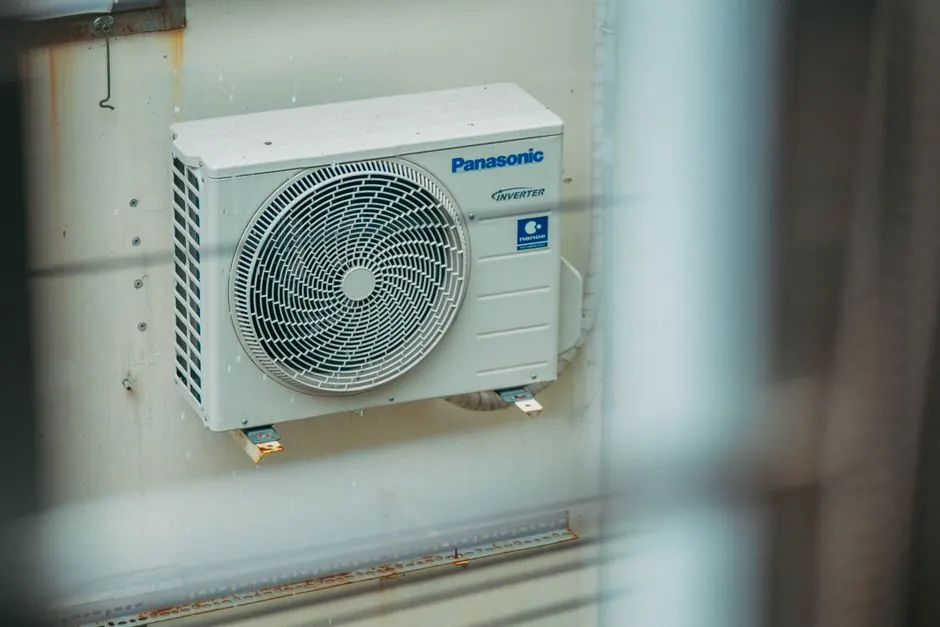
If your air conditioner turns on, runs for only a few minutes, shuts off, and then starts again shortly after, it is short cycling. The most common causes are restricted airflow (a dirty filter or blocked vents), a thermostat in the wrong spot, an oversized system, low or incorrect refrigerant, and electrical or control faults. In Atascocita’s humid summers, the first thing most people notice is not the noise. It is a house that feels cool but sticky.
AC turning on and off every few minutes?
Describe what it is doing and get help finding the cause.
What short cycling is, and how to tell if your AC is doing it
A normal air conditioner cycles: it runs until the house reaches the thermostat setting, rests, and starts again as the house warms. Short cycling means those runs are cut short, so the system never completes a full cooling cycle and keeps restarting.
There is no single number that applies to every home, and manufacturers do not describe it the same way. Carrier describes healthy runs as a consistent 15 to 20 minutes and says cycling off after a few minutes, or about every 10 minutes or less, is worth getting inspected. Trane describes a minimum 3-minute run and 5-minute rest, and notes that runs can be as short as 3 to 5 minutes in mild weather. The practical takeaway is that run time depends on the weather and the house, so time your own system rather than relying on one benchmark.
How to time it: on a hot afternoon, use a phone timer for one hour. Write down when the outdoor unit starts and stops. These patterns suggest a problem:
- Runs of only a few minutes, again and again, on a hot day.
- The system restarts within a few minutes of shutting off.
- The house never reaches the thermostat setting, or feels cool but humid.
- The pattern is new. It used to run in longer, steadier cycles.
These are rules of thumb, not a diagnosis. A technician has to measure to confirm. Short cycling is also different from an AC that never shuts off. If that is your problem, read why your AC is running constantly.
Why short cycling matters in Atascocita
Every start-up puts more strain on the compressor and fan motors than steady running does, and cooling output takes minutes to build after each start. Short runs also waste energy and can shorten the life of parts. Manufacturers such as Carrier and Trane both list higher energy use, more wear, and poor humidity removal as results.
Humidity is the local factor. Houston-area summer highs typically run from about 89°F to 93°F, and most summer days are muggy. Your AC removes moisture while it runs, so if it shuts off too soon, the air stays damp. The EPA recommends keeping indoor relative humidity below 60 percent, ideally between 30 and 50 percent. A cool but clammy house is one of the clearest signs of short cycling here.
Quick checks you can do safely
You do not need tools. Do not open panels or touch wiring.
- Time the cycles as described above, so you can tell a technician what is actually happening.
- Air filter. Hold it up to the light. If you cannot see through it, replace it. The U.S. Department of Energy says to clean or replace filters every 1 to 2 months in cooling season, and more often with dust or shedding pets.
- Thermostat location. Is it in direct sun, near a supply vent, or beside a lamp, TV, or kitchen? Trane lists sun and nearby heat sources as causes of short cycling. A thermostat that senses heat the rest of the house does not have can shut the system off early or restart it too soon.
- Thermostat settings. Confirm it is on Cool with the fan on Auto, and replace the batteries if the display is dim.
- Vents and returns. Make sure they are open and not blocked by furniture or rugs.
- Outdoor unit. Clear leaves, grass clippings, and plants. The Department of Energy recommends at least 2 feet of clear space around the unit.
- Ice or water. Look for frost on the indoor unit or the copper refrigerant line, and for water near the indoor unit. If you see ice, switch cooling off and read our guide on what to do when your AC freezes up.
- Breaker. A tripped breaker or one that trips repeatedly is a sign to stop and call.
Checked the filter and thermostat and it still cycles?
The cause is likely sizing, refrigerant, or an electrical fault. Those need measurements.
Common causes of AC short cycling
Restricted airflow
A clogged filter, closed vents, a dirty evaporator coil, or a weak blower reduce the air moving across the coil. The coil can get too cold and freeze, or the system can overheat and shut itself off on a safety control. Then it restarts and the cycle repeats. This is the cheapest cause to rule out. If airflow at the vents feels weak, see weak airflow.
Thermostat placement or a faulty thermostat
If the thermostat reads the wrong temperature, the AC responds to the wrong information. Direct sun, a nearby vent, or a heat-producing appliance can make the thermostat think the house is cooler or hotter than it is. Moving it to a central, shaded interior wall, or replacing a failing one, fixes this cause. A technician can check whether it is actually the thermostat.
An oversized system
An air conditioner that is too large cools the air quickly, reaches the setting in a few minutes, and shuts off before it has removed much moisture. Trane describes this as a cause of short cycling and says it leads to poor humidity control, wear, and high energy bills. Sizing should come from a load calculation for your specific house, such as an ACCA Manual J calculation, not from the size of the old unit or square footage alone. An oversized system is the cause that a filter change cannot fix.
Low or incorrect refrigerant
Refrigerant does not get used up. A low charge means a leak, and a charge that is too high can also cause problems. Either can trip pressure controls or ice the coil. Checking and adjusting refrigerant is not a homeowner job: under EPA rules only Section 608-certified technicians, or employers who employ one, can buy refrigerant for home air conditioning equipment.
A dirty outdoor coil or overheating
If the outdoor coil cannot shed heat because it is dirty or boxed in by plants, pressures and temperatures rise and safety controls can shut the system off. Clearing debris is safe. Deeper cleaning is part of AC maintenance.
Frozen evaporator coil
Ice on the coil blocks airflow and shuts the system down. Once the ice melts, it starts again. If ice keeps coming back, the cause is still there.
Electrical or control faults
A failing capacitor, loose wiring, a worn contactor, or a faulty control board can make the system start and stop. These parts can hold a dangerous charge, so they are for a licensed technician only. See AC electrical problems.
Repair, adjust, or replace?
- Filter, thermostat location, or blocked vents: a homeowner fix.
- Thermostat failure, dirty coil, drain or airflow problems: usually a repair.
- Refrigerant leak or electrical fault: a technician repair, and ask where the leak is, not just for a recharge.
- Oversizing: the lasting fix is correctly sized equipment based on a new load calculation. Variable-speed or variable-capacity equipment can run longer at lower output, but it will not fix a dirty filter, a bad thermostat location, or a refrigerant problem.
If your system is older and the cause is confirmed to be sizing, see our guide on repair versus replace and learn about central air conditioning systems and AC installation.
What not to do
- Do not keep running the AC if you see ice, smell burning, or hear grinding.
- Do not add refrigerant or use recharge kits on central air.
- Do not open the outdoor unit or touch capacitors or wiring.
- Do not bypass or “jump” safety controls to stop the shutdowns.
- Do not close vents to push air to other rooms.
When to call a technician, and what to ask
Call if short cycling continues after a new filter and a thermostat check, if you see ice or water, if a breaker trips, if the air is warm, or if the house stays sticky. If the home has no reliable cooling in extreme heat and someone vulnerable is inside, use emergency AC repair instead of waiting. You can call (281) 343-3794 now.
Questions worth asking any technician:
- How long does each cycle run, and what did you measure?
- Are refrigerant pressures normal, and is there a leak?
- Is airflow across the coil adequate?
- Has a load calculation been done to confirm the system is the right size?
- Is the thermostat reading accurately and located correctly?
- What is the written estimate before work starts?
Frequently asked questions
Is short cycling bad for my AC?
It can be. Frequent start-ups add wear and waste energy, and the system may not dehumidify well. The longer it continues, the more likely a small problem becomes a larger repair.
Can a dirty filter cause short cycling?
Yes. A clogged filter restricts airflow, which can cause overheating or a frozen coil, and either can shut the system off early.
How long should my AC run each cycle?
It depends on the weather and the house. Carrier describes healthy runs as around 15 to 20 minutes, while Trane notes shorter runs can be normal in mild weather. If your system runs only a few minutes on a hot day and restarts quickly, have it checked.
Can I fix short cycling myself?
You can replace the filter, clear vents and the outdoor unit, and check thermostat placement. Refrigerant, electrical, and sizing problems need a licensed technician.
Next step
If your AC keeps turning on and off and the simple checks did not fix it, the next step is a diagnosis. Read about AC repair in Atascocita, see what AC maintenance includes, or contact us to describe what you are seeing.
Want it diagnosed?
Call and tell us how long your AC runs and what it does when it stops.
It can be. Frequent start-ups add wear and waste energy, and the system may not dehumidify well. The longer it continues, the more likely a small problem becomes a larger repair.
Yes. A clogged filter restricts airflow, which can cause overheating or a frozen coil, and either can shut the system off early.
It depends on the weather and the house. Carrier describes healthy runs as around 15 to 20 minutes, while Trane notes shorter runs can be normal in mild weather. If your system runs only a few minutes on a hot day and restarts quickly, have it checked.
You can replace the filter, clear vents and the outdoor unit, and check thermostat placement. Refrigerant, electrical, and sizing problems need a licensed technician.